Free of charge
Participation is free, so cost does not stand in the way of joining.
Every day, young people meet moments that don’t come with instructions: asking to join in, disagreeing with a friend, or coping when plans fall through. Expressing a need, seeing another person’s view and handling disappointment are skills, and skills can be practised.
On this page you’ll find three everyday situations to talk about, a short activity to try at home, and how Mental Gym by Framklar gives young people a place to practise.
Emotional and social skills aren’t a school subject. They show up in ordinary moments, and they grow when young people get to try, reflect and try again.
A group is already chatting or playing. Your child would like to join in but isn’t sure how.
A chance to practiseSaying what they want in a simple way, picking a good moment, and coping if the answer is “not right now”.
Reflection questionWhat could someone say or do to join in, and what could they do if the group says no?
Two friends want different things, and both feel they are right.
A chance to practiseSaying what they think without attacking, listening to the other side, and looking for a way forward together.
Reflection questionHow might this look from the friend’s point of view?
A trip, a match or a meet-up gets cancelled at the last minute.
A chance to practiseNoticing and naming the disappointment, giving it a moment, and finding something to do next.
Reflection questionWhat might help someone feel a little better when plans change?
Tip: These questions often work best about someone else, such as a character in a film, a book or a game. Talking about another person can feel easier than talking about yourself.
Support from others matters. In Sweden, the share of 13-year-old girls who said they feel supported by their classmates fell from about 70% in 2013/14 to about 40% in 2021/22. Among boys, it fell from about 75% to 58%. Source: Public Health Agency of Sweden, Schoolchildren’s Health Behaviour in Sweden 2021/22, pp. 39–40 ↗.
A ten-minute conversation you can have at the dinner table or in the car. No preparation and no right answers.
The situation
Nils is in a group of four working on a school project. The others quickly agree on an idea without asking Nils. Nils has a different idea.
What could Nils do?
Read the situation out loud. Anyone can add more responses.
If you like, act them out: one person plays Nils, another plays the group. Swap roles.
How might Nils feel after each response? How might the others feel? Which would you try first?
Taking part is up to everyone. Nils is made up, so nobody needs to share their own experiences. It’s fine to just listen, or to stop whenever you want.
Mental Gym is a free leisure activity being developed by Framklar. Children and teenagers practise emotional and social skills through play, roleplay and reflection.
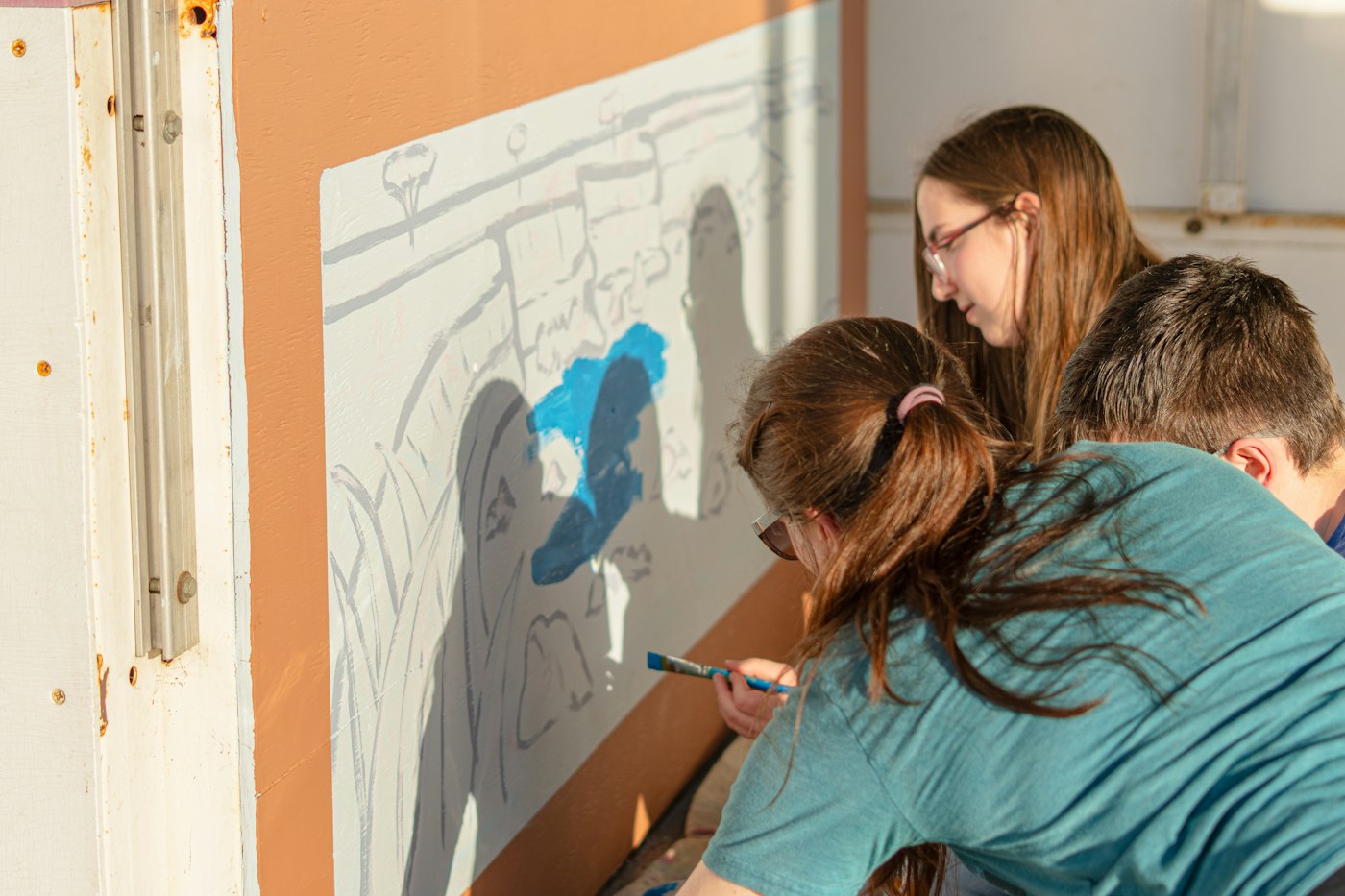
The group meets a fictional situation, such as a character being left out of a game.
Through roleplay, participants step into someone else’s shoes and try different responses.
Together, they talk about what changed and how each response might feel.
Participation is free, so cost does not stand in the way of joining.
Young people explore everyday challenges through play, imagination and reflection.
We respect different experiences and encourage everyone to take part at their own pace.
Mental Gym is a leisure activity, not therapy. Young people take part on their own terms.
Drama pedagogy is learning through roleplay and shared activities that help us understand ourselves and how we relate to others.
Mental Gym is being developed for children and teenagers, with sessions tailored to their age. Age ranges will be announced before registration opens.
No. It’s an after-school activity and does not replace professional mental health support.
No. Participation is free.
Framklar connects educational expertise, creativity and community perspectives to support young people’s development.
“We can’t script life. But we can practise for it. That’s why I’m building Framklar: to help children face what comes next with confidence.”
Luka GurgenidzeFounder, Framklar
We welcome educators, researchers, schools and organisations ready to share their knowledge, experience and support.